
BLOG
SELF-CARE IN YOUR 40S AND BEYOND
BLOG
SELF-CARE IN YOUR 40S AND BEYOND
ABOUT ENAIYA
RECLAIM CONTROL OVER YOUR BODY
We have a clear mission: to empower you with the wisdom and tools needed to reclaim control of your body helping you navigate the changes you may experience as you transition into your 40s and beyond.
As female founders we understand the unique challenges faced by women once hormones start to decline. We saw the need to create a space where women can harness the power of self-care to not only survive but THRIVE during this extraordinary stage of life.
WHY ENAIYA?
We have curated unique retreats that will provide you with the understanding, skills and insights needed to take control of how you look and how you feel. Through collaborating with distinguished experts in women’s health & wellness we will give you the knowledge needed to effectively manage the myriad of symptoms that arise as you enter midlife.
It’s time for you to redefine your self-care needs and chose how you want to journey through life.
Welcome. The best is yet to come.
ABOUT ENAIYA
RECLAIM CONTROL OVER YOUR BODY
We have a clear mission: to empower you with the wisdom and tools needed to reclaim control of your body helping you navigate the changes you may experience as you transition into your 40s and beyond.
As female founders we understand the unique challenges faced by women once hormones start to decline. We saw the need to create a space where women can harness the power of self-care to not only survive but THRIVE during this extraordinary stage of life.
WHY ENAIYA?
We have curated unique retreats that will provide you with the understanding, skills and insights needed to take control of how you look and how you feel. Through collaborating with distinguished experts in women’s health & wellness we will give you the knowledge needed to effectively manage the myriad of symptoms that arise as you enter midlife.
It’s time for you to redefine your self-care needs and chose how you want to journey through life.
Welcome. The best is yet to come.

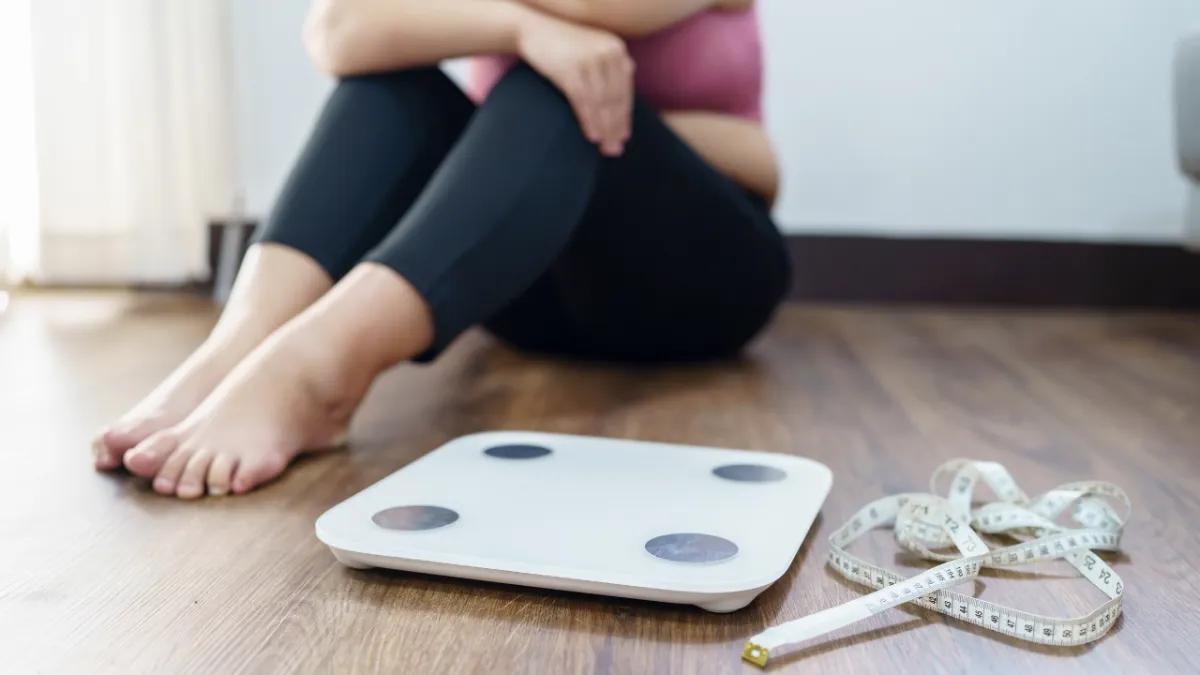
FOR A FAT’S SAKE: WHY CAN’T I LOSE WEIGHT?
Introduction:
Just when you are looking and feel pretty good about yourself an unwelcome visitor turns up in midlife: weight gain.
I am in several forums for peri/menopausal women and I read SO MANY COMMENTS from women claiming that despite doing regular exercise and eating healthily, shedding fat can feel nearly impossible. This blog explores why this happens and provides simple strategies to help you manage and reduce body fat effectively. There is no magic solution (don’t even contemplate Ozempic as we will cover this in our next blog).
If you want to lose fat you need to make lifestyle changes FOR THE REST OF YOUR LIFE

Perimenopause & menopause bring about significant hormonal changes, with oestrogen levels dropping, which can lead to weight gain, particularly around the abdomen. Unfortunately for us women, this shift in hormone levels affects how your body stores fat and it accumulates around our belly, hips and waist. Additionally, as we age, our metabolism naturally slows down. This means our body burns fewer calories at rest, making it easier to gain weight even if diet and activity levels remain the same. Ageing also leads to a gradual loss of muscle mass, which further slows our metabolism. Muscle tissue burns more calories than fat tissue, so maintaining muscle is crucial for weight management, as you will likely have seen a lot of fitness coaches and menopause specialists talk about this on social media.
However, there are several often-overlooked factors that contribute to weight gain during menopause and post-menopause that no one seems to talk about or take into consideration. Let’s take a look at them:
Non-Exercise Activity Thermogenesis (NEAT) encompasses all the activities you do outside of formal exercise—walking to the shops, fidgeting, walking up and down stairs, carrying your food shop, mopping or hoovering etc. Research shows that increasing NEAT can significantly impact your daily calorie expenditure. Even if you exercise regularly, long periods of sitting can negate your efforts. If you have a job where you are sat down and also travel to work on some form of transport, you will find you are very sedentary for most of the day.
Alcohol consumption. Alcohol is calorie-dense and contributes to weight gain when drunk in excess and puts the brakes on fat burning. It affects your metabolism and will disrupt your sleep patterns, further complicating weight loss efforts. I have noticed that as we enter our 40s we tend to favour “wind down with wine” to help cope with the stresses of life, a little too often which leads to consuming calories that we do not need. Alcohol also increases the risk of women attaining breast cancer once menopausal but you can read about this in another blog (link to blog on this topic).
Poor sleep can affect your hunger hormone Ghrelin and your satiety hormone Leptin. Ghrelin stimulates appetite, increases food intake, and promotes fat storage. Poor sleep increases this hormone making you likely to overeat. Leptin helps to regulate energy balance by inhibiting hunger however poor sleep reduces this hormone, making you more likely to overeat.
Chronic stress increases cortisol levels, which can lead to weight gain so managing stress is also crucial if you want a more svelte physique. Cortisol levels are a hormone that plays a significant role in how your body stores and metabolises fat. Elevated cortisol levels can lead to increased abdominal fat, as it promotes fat storage in that area of the body. Additionally, high cortisol levels can stimulate appetite and cravings for high-calorie, sugary foods, making it harder to stay on track with healthy eating. This stress hormone also affects the body's insulin sensitivity, potentially leading to higher blood sugar levels and increased fat storage.
(If you would like to know more about this I highly recommend you listen to the podcast The Diary of a CEO with Steven Bartlett and Neuroscientist Dr. Tara Swart who discusses the fact proven fact that stress and elevated cortisol levels can lead to belly fat in a comprehensive episode.)
To really shift the needle you need to consider the following permanent lifestyle changes:
Increase Movement Throughout the Day (NEAT): Find opportunities to move more throughout your day. Whilst on the phone you can walk and talk! Take the stairs instead of the lift, get off the bus one stop earlier and incorporate short walks into your routine as much as you can. You need to be more conscious about how much (or little) you move and do things to increase your NEAT.
Balanced Diet and Mindful Eating: Focus on a diet rich in whole foods. This means vegetables, fruits, lean proteins, and healthy fats. Mindful eating, which involves paying attention to hunger and fullness cues, can help prevent overeating. Stop eating BEFORE you start to feel full. Also, eliminate the foods that have no place in your body. Refined sugar and refined carbs serve no nutritional value and keep insulin levels high, which impedes fat loss. Not to mention all of the health issues that consuming high levels of sugar brings. Just stop eating them.
Strength Training and Cardio: Combining strength training with cardiovascular exercise is effective for fat loss. Strength training helps maintain muscle mass, which is crucial for a healthy metabolism. Aim for at least 2-3 strength-training sessions per week and one cardio session for heart health. Dr. Stacey Sims, PhD, Exercise Physiologist and Nutrition Scientist, emphasises the importance of maintaining muscle mass through strength training and incorporating high-intensity interval training (HIIT).
Stretching, yoga, Pilates, and walking bring other fabulous health benefits however women in menopause need to strength train if they want to lose fat and look “toned”.
Proper Sleep and Stress Management: Prioritise good sleep hygiene. Getting a minimum of 7 - 8 hours of quality sleep each night is essential. Also, practice stress-reducing techniques like meditation or deep breathing exercises to keep your cortisol levels down. If you want to learn more about the importance of sleep on our long term health, I recommend the book “Why We Sleep” by Neuroscientist Dr. Matt Walker. It will change your outlook on it forever.
Limit Alcohol: Drastically reduce or eliminate alcohol consumption to minimise its impact on your weight and overall health. Alcohol can prohibit fat loss by increasing your caloric intake and slowing down your metabolism. It also prioritises alcohol metabolism over fat metabolism, meaning your body burns alcohol calories first and stores other calories as fat. Additionally, alcohol consumption will lead to poor food choices and overeating.
Portion Control: Pay attention to portion sizes. As metabolism slows with age, the body requires fewer calories. Many people continue to eat the same portions as they did in their 20s, which leads to weight gain unless they are highly active.
Shift your focus: Mindset plays a huge role in this. Embrace the changes in your body and be kind to yourself. There is nothing wrong with wanting to change how you look to feel more body confident, however, you will hugely benefit if you shift your focus to achieving a strong, lean healthy body for midlife through sustainable lifestyle practices, rather than trying to “shred for summer”.
Menopause weight gain is a common and challenging issue, but understanding the underlying causes and incorporating a mindful and holistic approach can help you manage and reduce body fat effectively. Remember, it's about making sustainable lifestyle changes that promote overall health and well-being. No fad or restrictive diets. No crazy fitness regimes. No unsafe and unregulated fat burners. No weight loss drugs.
Go back to the basics, eat as nature intended, move every single day, manage your stress, LOVE YOURSELF and you will lose fat for sure.
Maria Monllor (Founder Enaiya)
NB: All information and advice shared comes from various publications and resources written by qualified professionals in the field of women’s health with expertise in perimenopause and menopause.

ON THE BLOG
FOR A FAT’S SAKE: WHY CAN’T I LOSE WEIGHT?
Introduction:
Just when you are looking and feel pretty good about yourself an unwelcome visitor turns up in midlife: weight gain.
I am in several forums for peri/menopausal women and I read SO MANY COMMENTS from women claiming that despite doing regular exercise and eating healthily, shedding fat can feel nearly impossible. This blog explores why this happens and provides simple strategies to help you manage and reduce body fat effectively. There is no magic solution (don’t even contemplate Ozempic as we will cover this in our next blog).
If you want to lose fat you need to make lifestyle changes FOR THE REST OF YOUR LIFE
Perimenopause & menopause bring about significant hormonal changes, with oestrogen levels dropping, which can lead to weight gain, particularly around the abdomen. Unfortunately for us women, this shift in hormone levels affects how your body stores fat and it accumulates around our belly, hips and waist. Additionally, as we age, our metabolism naturally slows down. This means our body burns fewer calories at rest, making it easier to gain weight even if diet and activity levels remain the same. Ageing also leads to a gradual loss of muscle mass, which further slows our metabolism. Muscle tissue burns more calories than fat tissue, so maintaining muscle is crucial for weight management, as you will likely have seen a lot of fitness coaches and menopause specialists talk about this on social media.
However, there are several often-overlooked factors that contribute to weight gain during menopause and post-menopause that no one seems to talk about or take into consideration. Let’s take a look at them:
Non-Exercise Activity Thermogenesis (NEAT) encompasses all the activities you do outside of formal exercise—walking to the shops, fidgeting, walking up and down stairs, carrying your food shop, mopping or hoovering etc. Research shows that increasing NEAT can significantly impact your daily calorie expenditure. Even if you exercise regularly, long periods of sitting can negate your efforts. If you have a job where you are sat down and also travel to work on some form of transport, you will find you are very sedentary for most of the day.
Alcohol consumption. Alcohol is calorie-dense and contributes to weight gain when drunk in excess and puts the brakes on fat burning. It affects your metabolism and will disrupt your sleep patterns, further complicating weight loss efforts. I have noticed that as we enter our 40s we tend to favour “wind down with wine” to help cope with the stresses of life, a little too often which leads to consuming calories that we do not need. Alcohol also increases the risk of women attaining breast cancer once menopausal but you can read about this in another blog (link to blog on this topic).
Poor sleep can affect your hunger hormone Ghrelin and your satiety hormone Leptin. Ghrelin stimulates appetite, increases food intake, and promotes fat storage. Poor sleep increases this hormone making you likely to overeat. Leptin helps to regulate energy balance by inhibiting hunger however poor sleep reduces this hormone, making you more likely to overeat.
Chronic stress increases cortisol levels, which can lead to weight gain so managing stress is also crucial if you want a more svelte physique. Cortisol levels are a hormone that plays a significant role in how your body stores and metabolises fat. Elevated cortisol levels can lead to increased abdominal fat, as it promotes fat storage in that area of the body. Additionally, high cortisol levels can stimulate appetite and cravings for high-calorie, sugary foods, making it harder to stay on track with healthy eating. This stress hormone also affects the body's insulin sensitivity, potentially leading to higher blood sugar levels and increased fat storage.
(If you would like to know more about this I highly recommend you listen to the podcast The Diary of a CEO with Steven Bartlett and Neuroscientist Dr. Tara Swart who discusses the fact proven fact that stress and elevated cortisol levels can lead to belly fat in a comprehensive episode.)
To really shift the needle you need to consider the following permanent lifestyle changes:
Increase Movement Throughout the Day (NEAT): Find opportunities to move more throughout your day. Whilst on the phone you can walk and talk! Take the stairs instead of the lift, get off the bus one stop earlier and incorporate short walks into your routine as much as you can. You need to be more conscious about how much (or little) you move and do things to increase your NEAT.
Balanced Diet and Mindful Eating: Focus on a diet rich in whole foods. This means vegetables, fruits, lean proteins, and healthy fats. Mindful eating, which involves paying attention to hunger and fullness cues, can help prevent overeating. Stop eating BEFORE you start to feel full. Also, eliminate the foods that have no place in your body. Refined sugar and refined carbs serve no nutritional value and keep insulin levels high, which impedes fat loss. Not to mention all of the health issues that consuming high levels of sugar brings. Just stop eating them.
Strength Training and Cardio: Combining strength training with cardiovascular exercise is effective for fat loss. Strength training helps maintain muscle mass, which is crucial for a healthy metabolism. Aim for at least 2-3 strength-training sessions per week and one cardio session for heart health. Dr. Stacey Sims, PhD, Exercise Physiologist and Nutrition Scientist, emphasises the importance of maintaining muscle mass through strength training and incorporating high-intensity interval training (HIIT).
Stretching, yoga, Pilates, and walking bring other fabulous health benefits however women in menopause need to strength train if they want to lose fat and look “toned”.
Proper Sleep and Stress Management: Prioritise good sleep hygiene. Getting a minimum of 7 - 8 hours of quality sleep each night is essential. Also, practice stress-reducing techniques like meditation or deep breathing exercises to keep your cortisol levels down. If you want to learn more about the importance of sleep on our long term health, I recommend the book “Why We Sleep” by Neuroscientist Dr. Matt Walker. It will change your outlook on it forever.
Limit Alcohol: Drastically reduce or eliminate alcohol consumption to minimise its impact on your weight and overall health. Alcohol can prohibit fat loss by increasing your caloric intake and slowing down your metabolism. It also prioritises alcohol metabolism over fat metabolism, meaning your body burns alcohol calories first and stores other calories as fat. Additionally, alcohol consumption will lead to poor food choices and overeating.
Portion Control: Pay attention to portion sizes. As metabolism slows with age, the body requires fewer calories. Many people continue to eat the same portions as they did in their 20s, which leads to weight gain unless they are highly active.
Shift your focus: Mindset plays a huge role in this. Embrace the changes in your body and be kind to yourself. There is nothing wrong with wanting to change how you look to feel more body confident, however, you will hugely benefit if you shift your focus to achieving a strong, lean healthy body for midlife through sustainable lifestyle practices, rather than trying to “shred for summer”.
Menopause weight gain is a common and challenging issue, but understanding the underlying causes and incorporating a mindful and holistic approach can help you manage and reduce body fat effectively. Remember, it's about making sustainable lifestyle changes that promote overall health and well-being. No fad or restrictive diets. No crazy fitness regimes. No unsafe and unregulated fat burners. No weight loss drugs.
Go back to the basics, eat as nature intended, move every single day, manage your stress, LOVE YOURSELF and you will lose fat for sure.
Maria Monllor (Founder Enaiya)
NB: All information and advice shared comes from various publications and resources written by qualified professionals in the field of women’s health with expertise in perimenopause and menopause.

FREE DOWNLOAD
SELF-CARE IS THE NEW SEXY
It’s time to regain control of your body, prioritise your self-care and THRIVE.
Through our Pause for Thought challenge you can:
• Improve the quality of your SLEEP with a simple practice, backed by scientific research.
• Make hormones happy by feeding your GUT with the nutrients it needs.
• Enhance your HEALTH through movement, any time and anywhere.
• Become your new BEST FRIEND through a simple act of kindness.
“Self-care is not self indulgence, it is self-preservation”
FREE DOWNLOAD
SELF-CARE IS THE NEW SEXY
It’s time to regain control of your body, prioritize your self-care and THRIVE.
Through our Pause for Thought challenge you can:
• Improve the quality of your SLEEP with a simple practice, backed by scientific research.
• Make hormones happy by feeding your GUT with the nutrients it needs.
• Enhance your HEALTH through movement, any time and anywhere.
• Become your new BEST FRIEND through a simple act of kindness.



© Copyright 2023 Enaiya | Privacy Policy | Terms & Conditions