
BLOG
SELF-CARE IN YOUR 40S AND BEYOND
BLOG
SELF-CARE IN YOUR 40S AND BEYOND
ABOUT ENAIYA
RECLAIM CONTROL OVER YOUR BODY
We have a clear mission: to empower you with the wisdom and tools needed to reclaim control of your body helping you navigate the changes you may experience as you transition into your 40s and beyond.
As female founders we understand the unique challenges faced by women once hormones start to decline. We saw the need to create a space where women can harness the power of self-care to not only survive but THRIVE during this extraordinary stage of life.
WHY ENAIYA?
We have curated unique retreats that will provide you with the understanding, skills and insights needed to take control of how you look and how you feel. Through collaborating with distinguished experts in women’s health & wellness we will give you the knowledge needed to effectively manage the myriad of symptoms that arise as you enter midlife.
It’s time for you to redefine your self-care needs and chose how you want to journey through life.
Welcome. The best is yet to come.
ABOUT ENAIYA
RECLAIM CONTROL OVER YOUR BODY
We have a clear mission: to empower you with the wisdom and tools needed to reclaim control of your body helping you navigate the changes you may experience as you transition into your 40s and beyond.
As female founders we understand the unique challenges faced by women once hormones start to decline. We saw the need to create a space where women can harness the power of self-care to not only survive but THRIVE during this extraordinary stage of life.
WHY ENAIYA?
We have curated unique retreats that will provide you with the understanding, skills and insights needed to take control of how you look and how you feel. Through collaborating with distinguished experts in women’s health & wellness we will give you the knowledge needed to effectively manage the myriad of symptoms that arise as you enter midlife.
It’s time for you to redefine your self-care needs and chose how you want to journey through life.
Welcome. The best is yet to come.

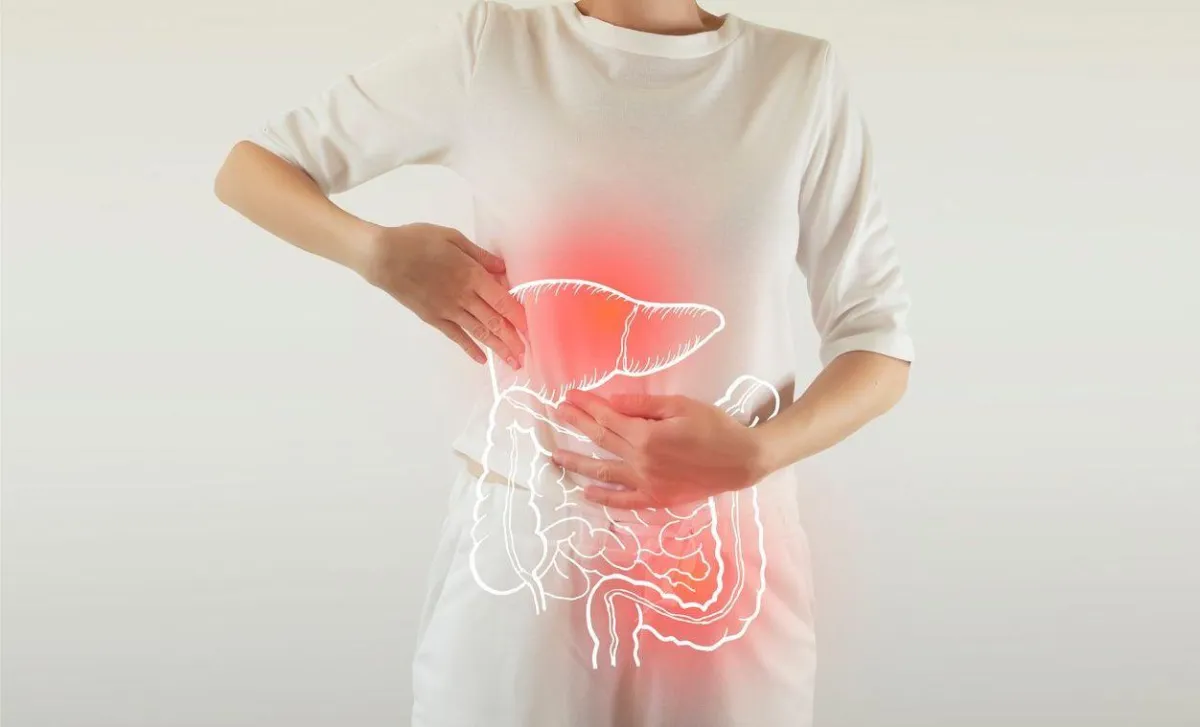
Food, Mood and Attitude: Gut health unflitered.
Ever had a gut feeling that turned out to be spot on? It turns out your gut knows more than you think, and it’s not just about intuition. Gut health isn’t just another trending buzzword; it’s the foundation of your entire wellness. Let’s uncover why your gut deserves more of your attention.
Your gut isn’t just a food-processing factory; it’s the command centre for your health. Inside your digestive system lives a bustling community of trillions of bacteria, fungi, and viruses known as the microbiome. These tiny microorganisms do more than help digest food - they influence everything from immunity to hormones, mood, and even skin health. Yet, despite its central role, gut health has been historically overlooked. Future generations will likely marvel at how little we understood its importance.
Aging and the Changing Gut
As we age, the gut’s delicate balance can start to shift. Hormonal changes during perimenopause and menopause, coupled with slower digestion and declining stomach acid, disrupt the microbiome’s harmony. According to Dr. Megan Rossi, known as "The Gut Health Doctor," these changes often lead to inflammation, which can cause bloating, fatigue, and mood swings. Dr. Rossi is a UK-based registered dietitian, nutritionist, and researcher specialising in gut health. She holds a PhD in gut health and has conducted extensive research on the gut microbiome and its impact on overall health, including digestion, immunity, and mental wellbeing.
These symptoms don’t just stop at digestion, they ripple outward, affecting skin health, energy levels, and even joint comfort. Supporting your gut as you age is essential to keeping the rest of your body in sync.
The Gut-Brain Connection: Trust Your Gut
Your gut doesn’t just impact your body. It has a direct line to your brain. Neuroscientists like Dr. Emeran Mayer (The Mind-Gut Connection) and Professor John Cryan from University College Cork have uncovered how your gut and brain are constantly communicating through what’s called the gut-brain axis. This connection explains why your stomach flips when you’re nervous or why stress can leave you feeling physically sick. But the link goes even deeper. Your gut produces neurotransmitters like serotonin (responsible for happiness) and other chemicals that influence mood and mental clarity. Neglect your gut, and you might find yourself not just bloated but also irritable, foggy, or anxious. Taking care of your gut means taking care of your mind, too.
What’s Disrupting Your Gut?
Unfortunately, modern lifestyles often work against gut health. Two major culprits are ultra-processed foods (UPFs) and alcohol.
UPFs - those convenient, long-shelf-life foods packed with additives, sugars, and unhealthy fats - are wreaking havoc on our microbiomes. Dr. Chris van Tulleken’s research shows that these foods feed harmful bacteria, crowd out beneficial ones, and reduce the diversity of gut flora. Over time, this imbalance can lead to inflammation, weakened immunity, and chronic diseases. A diet heavy in UPFs is a recipe for gut trouble. Swapping these for whole, nutrient-dense foods can help restore balance and support your gut.
While the occasional glass of wine might feel like a stress reliever, alcohol can be tough on your gut. It disrupts the microbiome’s balance, increases inflammation, and can lead to “leaky gut” - a condition where the gut lining becomes more permeable, allowing harmful substances into the bloodstream. The result? Bloating, fatigue, and even skin flare-ups like rosacea. Reducing alcohol consumption or choosing alcohol-free alternatives can do wonders for your gut and overall health.

Steps to Support Your Gut
You will be glad to hear that you can take simple, effective steps to nurture your gut and improve your overall wellbeing:
Eat for Diversity: Dr. Rossi recommends aiming for 30 different plant-based foods weekly to feed your gut’s beneficial bacteria.
Fibre First: Fibre is your gut’s best friend, promoting smooth digestion and supporting microbiome health. Think oats, beans, whole grains, and veggies.
Add Probiotics and Prebiotics: Probiotics (like yogurt and kefir) introduce good bacteria, while prebiotics (found in garlic, onions, and bananas) feed them.
Cut Back on Sugar: Processed sugars fuel harmful bacteria and disrupt the balance of your microbiome.
Manage Stress: Chronic stress impacts your gut-brain axis. Practices like yoga, mindfulness, and daily walks can help calm both your mind and gut.
Hopefully you have a better understanding that you gut is so much more than a digestion tool. It’s the foundation of your health, influencing everything from mood to immunity to hormones. By taking small, intentional steps to care for your gut, you’re investing in a happier, healthier future.
PS: If you’re ready to take gut health seriously, Zinzino’s HbA1c Test is a great starting point. This simple at-home test measures your average blood sugar levels over the past three months, providing a snapshot of how your diet and lifestyle are affecting your health. Elevated blood sugar can harm your gut microbiome, driving inflammation and increasing the risk of metabolic issues. Knowing your HbA1c levels empowers you to make better choices for your gut and overall wellbeing.
For more info click here to visit Zinzino on the Enaiya website.

ON THE BLOG
Food, Mood and Attitude: Gut health unflitered.
Ever had a gut feeling that turned out to be spot on? It turns out your gut knows more than you think, and it’s not just about intuition. Gut health isn’t just another trending buzzword; it’s the foundation of your entire wellness. Let’s uncover why your gut deserves more of your attention.
Your gut isn’t just a food-processing factory; it’s the command centre for your health. Inside your digestive system lives a bustling community of trillions of bacteria, fungi, and viruses known as the microbiome. These tiny microorganisms do more than help digest food - they influence everything from immunity to hormones, mood, and even skin health. Yet, despite its central role, gut health has been historically overlooked. Future generations will likely marvel at how little we understood its importance.
Aging and the Changing Gut
As we age, the gut’s delicate balance can start to shift. Hormonal changes during perimenopause and menopause, coupled with slower digestion and declining stomach acid, disrupt the microbiome’s harmony. According to Dr. Megan Rossi, known as "The Gut Health Doctor," these changes often lead to inflammation, which can cause bloating, fatigue, and mood swings. Dr. Rossi is a UK-based registered dietitian, nutritionist, and researcher specialising in gut health. She holds a PhD in gut health and has conducted extensive research on the gut microbiome and its impact on overall health, including digestion, immunity, and mental wellbeing.
These symptoms don’t just stop at digestion, they ripple outward, affecting skin health, energy levels, and even joint comfort. Supporting your gut as you age is essential to keeping the rest of your body in sync.
The Gut-Brain Connection: Trust Your Gut
Your gut doesn’t just impact your body. It has a direct line to your brain. Neuroscientists like Dr. Emeran Mayer (The Mind-Gut Connection) and Professor John Cryan from University College Cork have uncovered how your gut and brain are constantly communicating through what’s called the gut-brain axis. This connection explains why your stomach flips when you’re nervous or why stress can leave you feeling physically sick. But the link goes even deeper. Your gut produces neurotransmitters like serotonin (responsible for happiness) and other chemicals that influence mood and mental clarity. Neglect your gut, and you might find yourself not just bloated but also irritable, foggy, or anxious. Taking care of your gut means taking care of your mind, too.
What’s Disrupting Your Gut?
Unfortunately, modern lifestyles often work against gut health. Two major culprits are ultra-processed foods (UPFs) and alcohol.
UPFs - those convenient, long-shelf-life foods packed with additives, sugars, and unhealthy fats - are wreaking havoc on our microbiomes. Dr. Chris van Tulleken’s research shows that these foods feed harmful bacteria, crowd out beneficial ones, and reduce the diversity of gut flora. Over time, this imbalance can lead to inflammation, weakened immunity, and chronic diseases. A diet heavy in UPFs is a recipe for gut trouble. Swapping these for whole, nutrient-dense foods can help restore balance and support your gut.
While the occasional glass of wine might feel like a stress reliever, alcohol can be tough on your gut. It disrupts the microbiome’s balance, increases inflammation, and can lead to “leaky gut” - a condition where the gut lining becomes more permeable, allowing harmful substances into the bloodstream. The result? Bloating, fatigue, and even skin flare-ups like rosacea. Reducing alcohol consumption or choosing alcohol-free alternatives can do wonders for your gut and overall health.
Steps to Support Your Gut
You will be glad to hear that you can take simple, effective steps to nurture your gut and improve your overall wellbeing:
Eat for Diversity: Dr. Rossi recommends aiming for 30 different plant-based foods weekly to feed your gut’s beneficial bacteria.
Fibre First: Fibre is your gut’s best friend, promoting smooth digestion and supporting microbiome health. Think oats, beans, whole grains, and veggies.
Add Probiotics and Prebiotics: Probiotics (like yogurt and kefir) introduce good bacteria, while prebiotics (found in garlic, onions, and bananas) feed them.
Cut Back on Sugar: Processed sugars fuel harmful bacteria and disrupt the balance of your microbiome.
Manage Stress: Chronic stress impacts your gut-brain axis. Practices like yoga, mindfulness, and daily walks can help calm both your mind and gut.
Hopefully you have a better understanding that you gut is so much more than a digestion tool. It’s the foundation of your health, influencing everything from mood to immunity to hormones. By taking small, intentional steps to care for your gut, you’re investing in a happier, healthier future.
PS: If you’re ready to take gut health seriously, Zinzino’s HbA1c Test is a great starting point. This simple at-home test measures your average blood sugar levels over the past three months, providing a snapshot of how your diet and lifestyle are affecting your health. Elevated blood sugar can harm your gut microbiome, driving inflammation and increasing the risk of metabolic issues. Knowing your HbA1c levels empowers you to make better choices for your gut and overall wellbeing.
For more info click here to visit Zinzino on the Enaiya website.

FREE DOWNLOAD
SELF-CARE IS THE NEW SEXY
It’s time to regain control of your body, prioritise your self-care and THRIVE.
Through our Pause for Thought challenge you can:
• Improve the quality of your SLEEP with a simple practice, backed by scientific research.
• Make hormones happy by feeding your GUT with the nutrients it needs.
• Enhance your HEALTH through movement, any time and anywhere.
• Become your new BEST FRIEND through a simple act of kindness.
“Self-care is not self indulgence, it is self-preservation”
FREE DOWNLOAD
SELF-CARE IS THE NEW SEXY
It’s time to regain control of your body, prioritize your self-care and THRIVE.
Through our Pause for Thought challenge you can:
• Improve the quality of your SLEEP with a simple practice, backed by scientific research.
• Make hormones happy by feeding your GUT with the nutrients it needs.
• Enhance your HEALTH through movement, any time and anywhere.
• Become your new BEST FRIEND through a simple act of kindness.



© Copyright 2023 Enaiya | Privacy Policy | Terms & Conditions